
JACKSONVILLE, Fla. — To become a part of the First Alert Neighborhood weather station network powered by Tempest - scan below &/or click * here *:

The 2026 hurricane season continues... see & read updates every day during the season (until Nov. 30th) at “Talking the Tropics With Mike”.
Summer “officially” arrives June 21st, the astronomical start of summer. Keep in mind the seasons are a result of the earth’s tilt - toward the sun in the Northern Hemisphere during the summer (away from sun during the winter). The earth is actually farther from the sun during the summer.
So we have our maximum hours of daylight - a little more than 14 hours for Jacksonville/NE Fl./SE Ga.


From Brian Brettschneider using NOAA data:

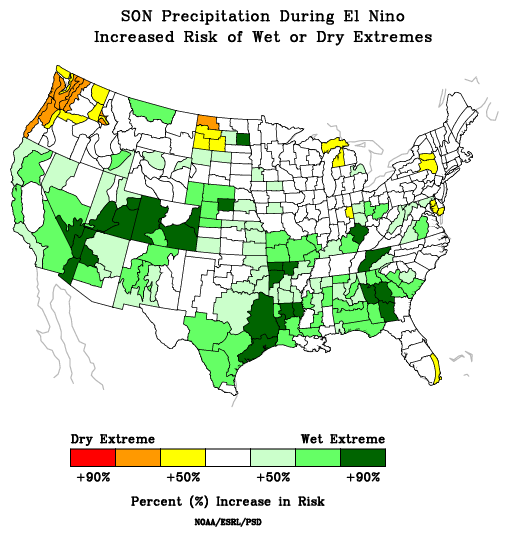
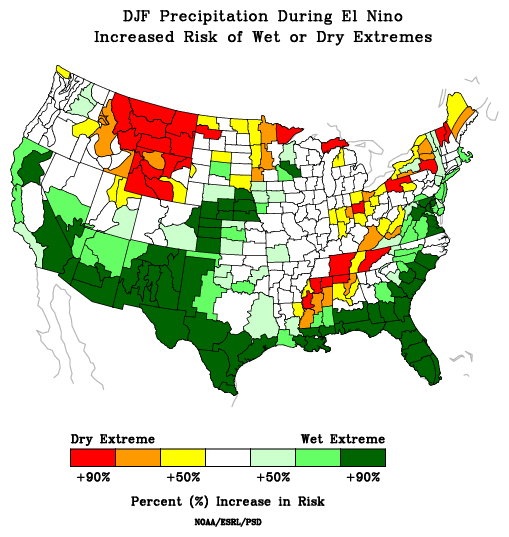
I’ve been talking about the developing El Nino for many months & NOAA has officially declared an El Nino advisory. An El Nino is a warming of the equatorial Pacific between South America & Australia. During El Nino years, there is often more wind shear across the Atlantic causing there to be fewer (but still potentially impactful) tropical cyclones during the Atlantic hurricane season. This El Nino is expected to become a very strong one lasting well into winter. If accurate, NE Florida & SE Georgia should be in for a wet & potentially stormy late autumn & winter as the subtropical jet stream is typically active during the cold months of an El Nino resulting in above average precip. from California to Florida.
And there are often impacts on marine life including changes in the migration of fish and other oceanic organisms, with warm water species moving north while cold water species move farther north or into deeper waters. These behavioral changes impact growth, survival, and reproduction. During a strong El Nino in 1998, there were large seal mortality rates in & near the Galapagos Islands in addition to the west coast of South America as seals starved due a loss of their normal food supply.
There is also a threat of high end coral bleaching in some parts of the Pacific Basin & enhanced algae bloom potential along the U.S. west coast.
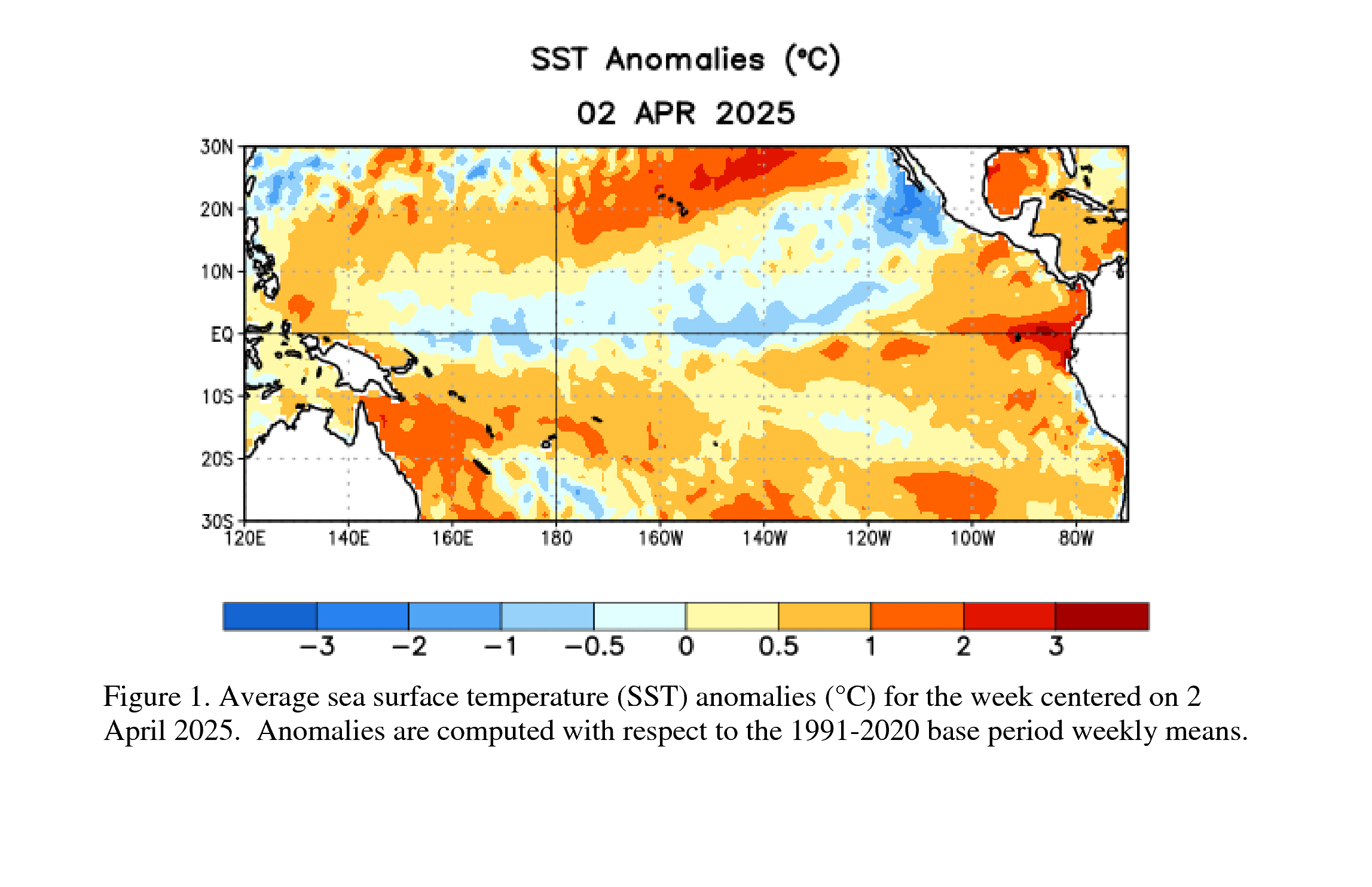
Strong El Nino is forecast by the models:
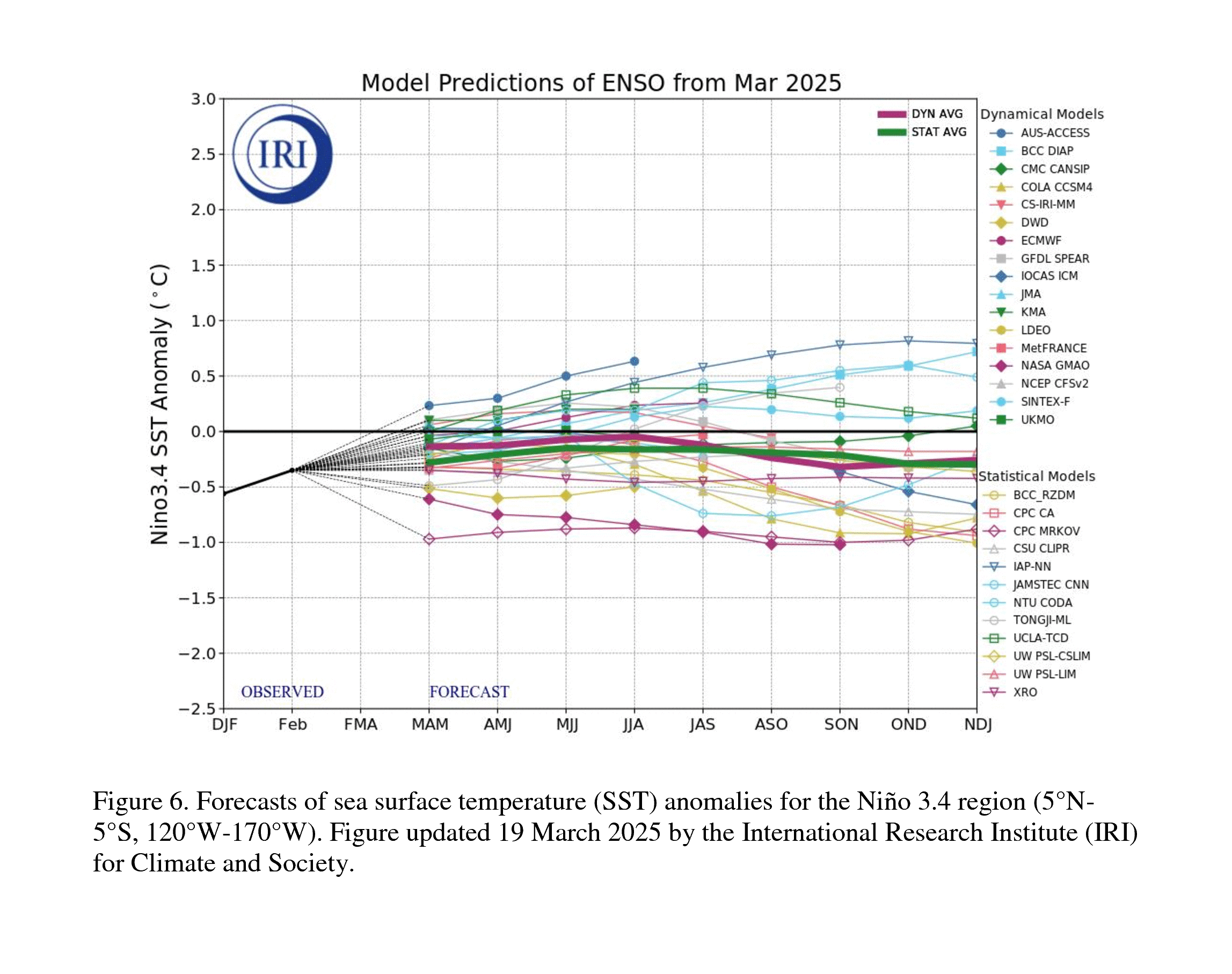

Strengthening El Nino as seen in sea surface temps.:
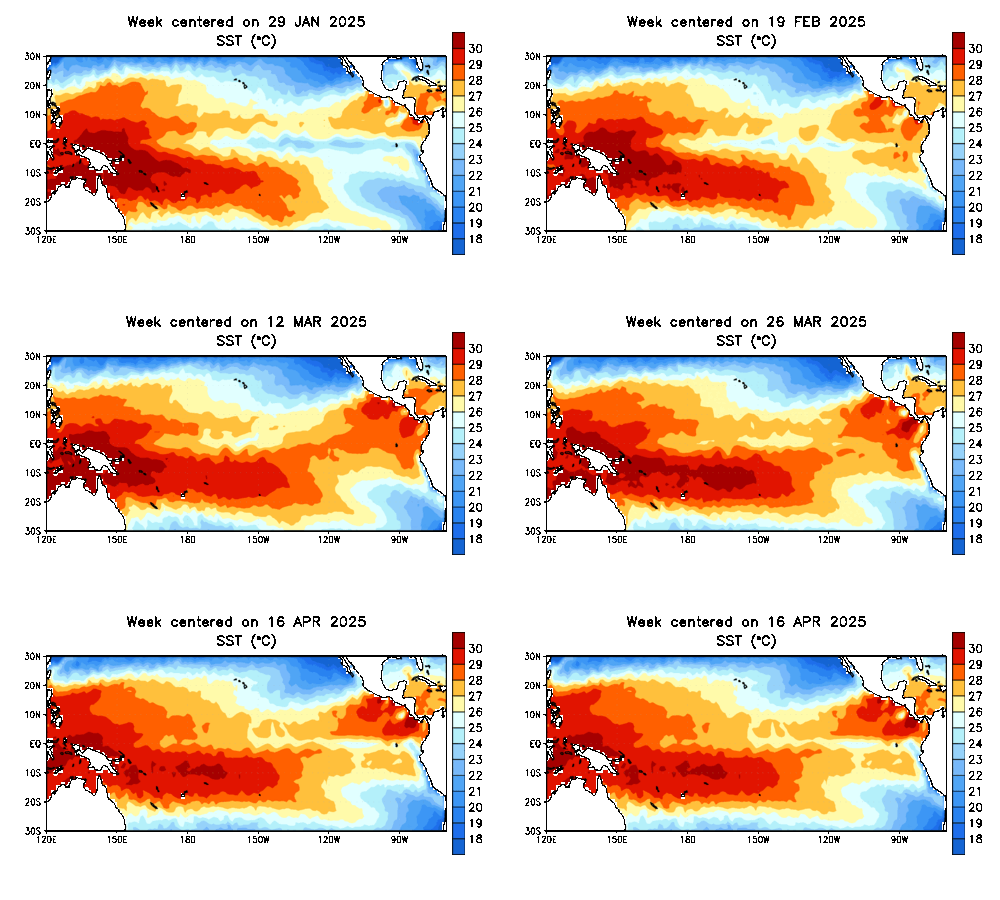
June/July/August avg. precip during an El Nino:
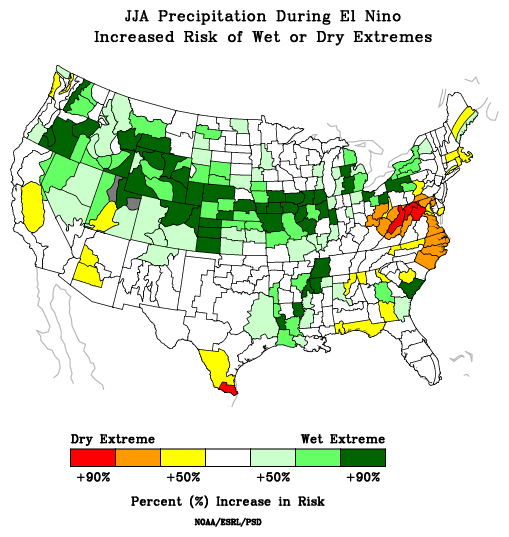
Sept./Oct./Nov. average precip. during an El Nino:
Dec./Jan./Feb. avg. precip. during an El Nino:
ENSO episodes since 2000 - red = El Nino, blue - La Nina (cooling of the equatorial Pacific):


