
Jacksonville, Fl. — The “Buresh Bottom Line”: Always be prepared!.....First Alert Hurricane Survival Guide... City of Jacksonville Preparedness Guide... Georgia Hurricane Guide.
STAY INFORMED: Get the * FREE * First Alert Weather app
FREE NEWS UPDATES, ALERTS: Action News Jax app for Apple | For Android
WATCH “Preparing for the Storm”
WATCH “The Ins & Outs of Hurricane Season”
READ the First Alert Hurricane Center “Survival Guide”
LISTEN & WATCH “Surviving the Storm” - WOKV Radio & Action News Jax
***** ALWAYS CHECK & RE-CHECK THE LATEST FORECAST & UPDATES! *****
REMEMBER WHEN A TROPICAL STORM OR HURRICANE IS APPROACHING: Taping windows is *NOT* helpful & will not keep glass from breaking.
Realize the forecast cone (”cone of uncertainty”) is the average forecast error over a given time - out to 5 days - & *does not* indicate the width of the storm &/or damage that might occur.
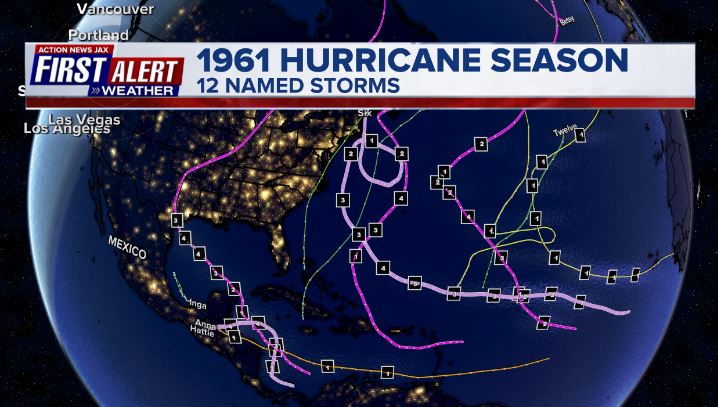
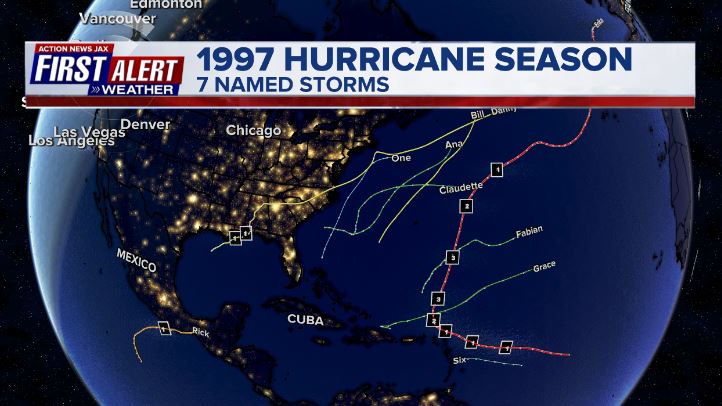
August ended with no named Atlantic storms. That’s only the third time in the satellite era (joining 1961 & 1997). 1961 ended up being very active with 12 named storms after Sept. 1 while there were only 3 named storms in 1997 in Sept.-Nov. Tropical systems did not impact Fl. or Ga. either year.
This is only the 7th time since 1950 that a hurricane has not developed over the Atlantic before Sept. 1.
No tropical systems will impact the U.S. or any land areas of the Caribbean &/or Bahamas through at least Labor Day....
Tropical depression #5 formed early Thu. & was upgraded to tropical storm “Danielle” later in the morning. Danielle is over the middle of the N. Atlantic hundreds of miles E/NE of Bermuda & well west of the Azore Islands. The storm is essentially “stuck” over the N. Atlantic & won’t move a lot through the weekend while continuing to intensify. An upper level trough moving over the NW Atlantic next week should eventually pick up the system steering it to the E/NE though there is a chance the trough will miss the storm allowing for Danielle to continue over the N. Atlantic for a number of days while not impacting any land areas so no impact to the U.S.


Elsewhere... virtually all the models do agree on tropical cyclone development over the Central &/or Eastern Atlantic. The positioning & strength of the Bermuda high remains critical on where any systems might go & whether or not any tropical systems can move all the way across the Atlantic which would then be a threat for the Caribbean, Bahamas &/or U.S. coastline. Through next week it looks like the Bermuda High will be somewhat displaced to the northeast & weaker allowing tropical systems to curve northward then northeast rather continuing west all the way across the Atlantic. General troughing over the Eastern U.S. & along the east coast will help “protect” the eastern seaboard through next week with general southwesterly upper level flow (which helps turn any tropical systems more to the north & east). This tandem between the trough & Bermuda High appears to stay locked in through most if not all of next week. Good news for the U.S.!
A lead wave - ‘91-L’ - over the Central Atlantic & well east of the Lesser Antilles/Caribbean will veer more northwest with time & should develop. Indications are that this will turn northward far to the east of the U.S. through the Labor Day weekend followed by full recurvature well east of the U.S. east coast as well as north & east of the Caribbean. There may be an increase in swells + a heightened rip current risk next week from Fl. to Chesapeake Bay depending on the exact location & strength of the system. The GFS model is faster to turn this wave northward because the model more quickly develops a stronger &, therefore, deeper system while the European model is more west & slower with a weaker system.


And an active tropical wave has come off the coast of Africa. It appears this wave will move more northward early in the “game” thereby would not make it across the Atlantic, but it does have a shot at becoming named before reaching cooler water.
Another wave will follow with the potential for a more southern track - at least initially - through about Sept.10th-15th.

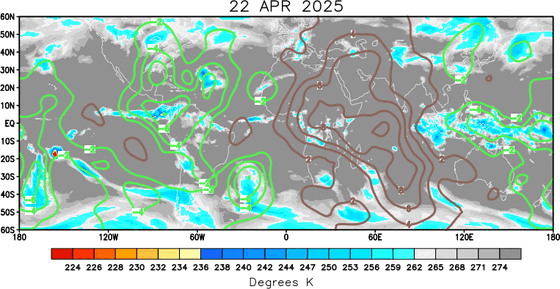
The MJO continues to evolve. In simplest terms: the green lines on the map below indicate “rising” air & *can* be more conducive for the development of tropical systems. The brown lines indicate “sinking” air which is generally less favorable. Sinking air (brown lines) has spread over the much of the Central & E. Pacific indicating generally less favorable conditions for tropical cyclones while rising air is over the Indian Ocean & W. Pacific (where 3 tropical cyclones have developed during the last 10 days) & is now spreading over a good portion of the Atlantic. A continue transition to rising air across the Atlantic is forecast as we get deeper into Sept.
So time will tell & - in the end - just how significant the next few weeks might be from a tropical standpoint will be dictated by where any tropical systems go... if there are landfalls... & then how strong the system is or isn’t. Either way, it’s time to be vigilant & prepared as we reach the peak of the hurricane season Sept. 10.
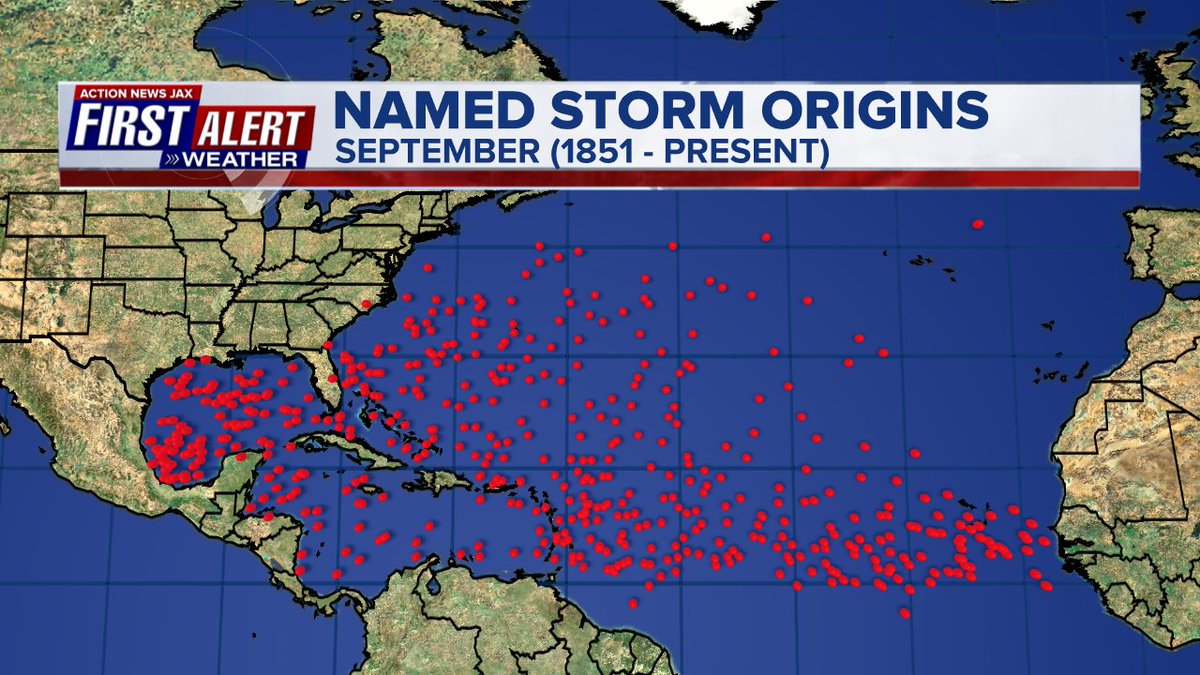
September origins:
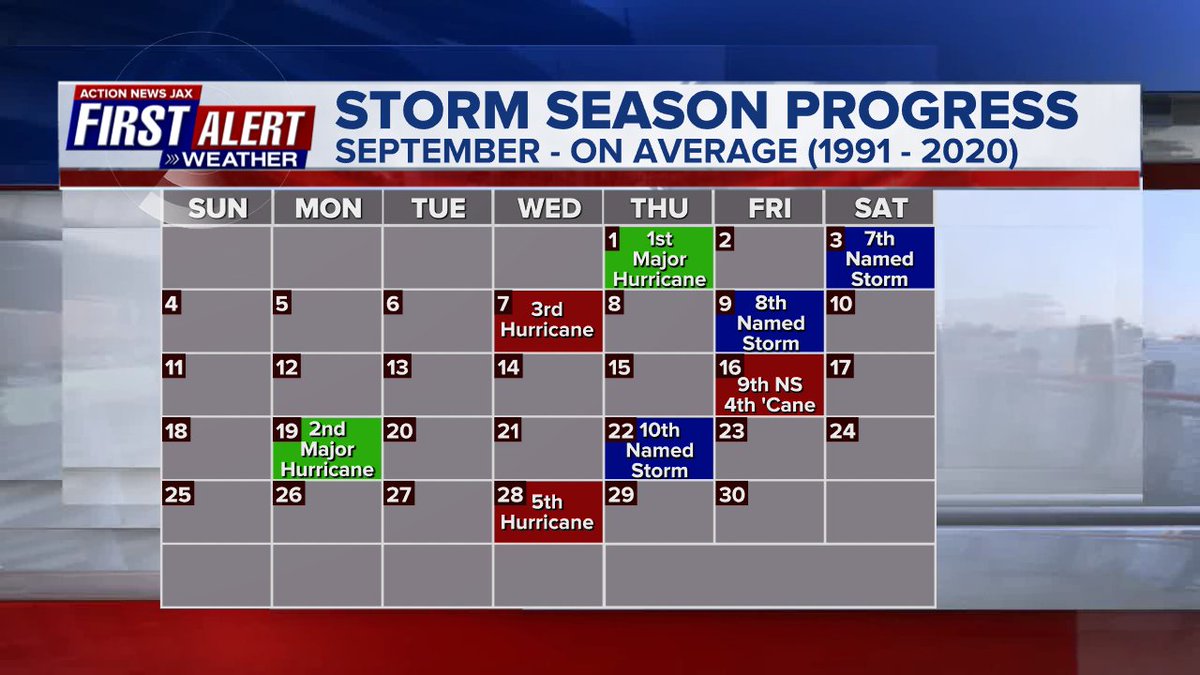
Averages below based on climatology for the Atlantic Basin through September. This season so far is well below avg.:

Wind shear:


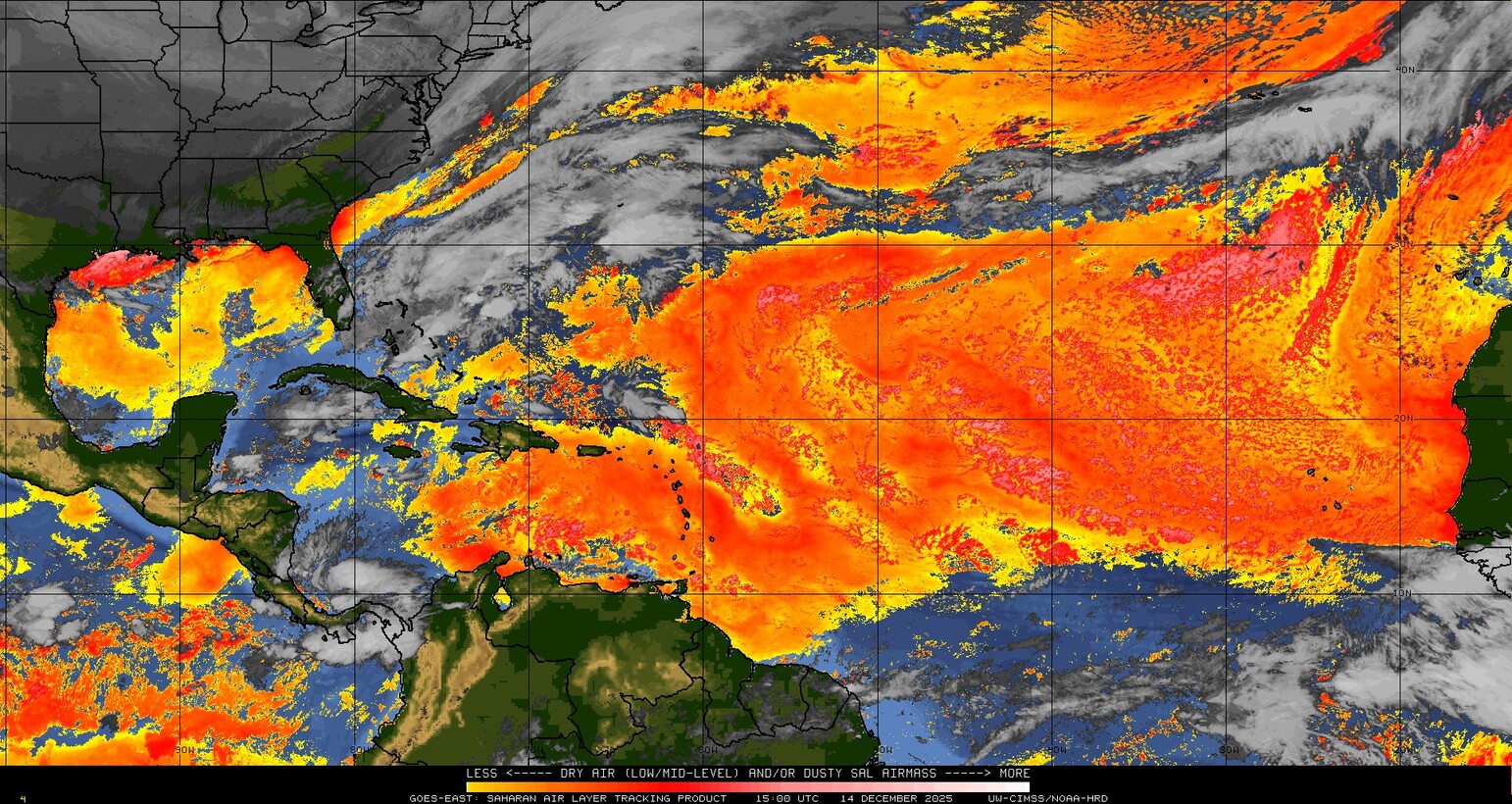
Saharan dust spreads west each year from Africa by the prevailing winds (from east to west over the Atlantic). Dry air - yellow/orange/red/pink. Widespread dust is indicative of dry air that can impede the development of tropical cyclones. However, sometimes “wanna’ be” waves will just wait until they get to the other side of - or away from - the plume then try to develop if other conditions are favorable. In my personal opinion, way too much is made about the presence of Saharan dust & how it relates to tropical cyclones. In any case, we’ve had several large dust plumes spread west to the Caribbean & Gulf with the peak of Saharan dust typically in June & July.
2022 names..... “Danielle” is the next name on the Atlantic list (names are picked at random by the World Meteorological Organization... repeat every 6 years). Historic storms are retired [Florence & Michael in ’18... Dorian in ’19 & Laura, Eta & Iota in ‘20 & Ida in ‘21]). In fact, this year’s list of names is rather infamous with “Charley”, “Frances”, “Jeanne” & “Ivan” retired from the ‘04 list (all hit Fl.) & “Matthew” was retired in 2016. The WMO decided - beginning last year - that the Greek alphabet will be no longer used & instead there will be a supplemental list of names if the first list is exhausted (has only happened three times - 2005, 2020 & 2021). The naming of tropical cyclones began on a consistent basis in 1953. More on the history of naming tropical cyclones * here *.

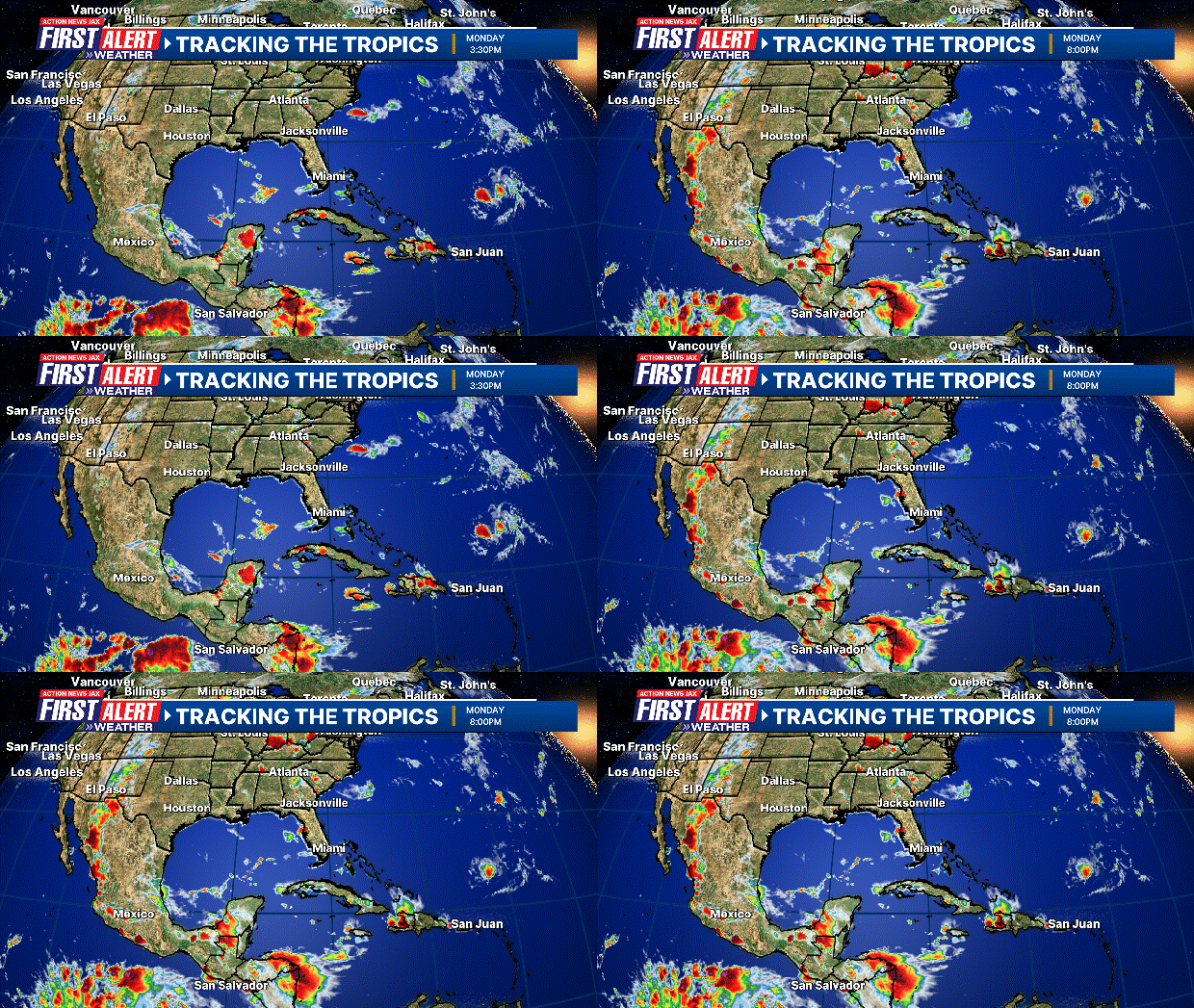
East Atlantic:


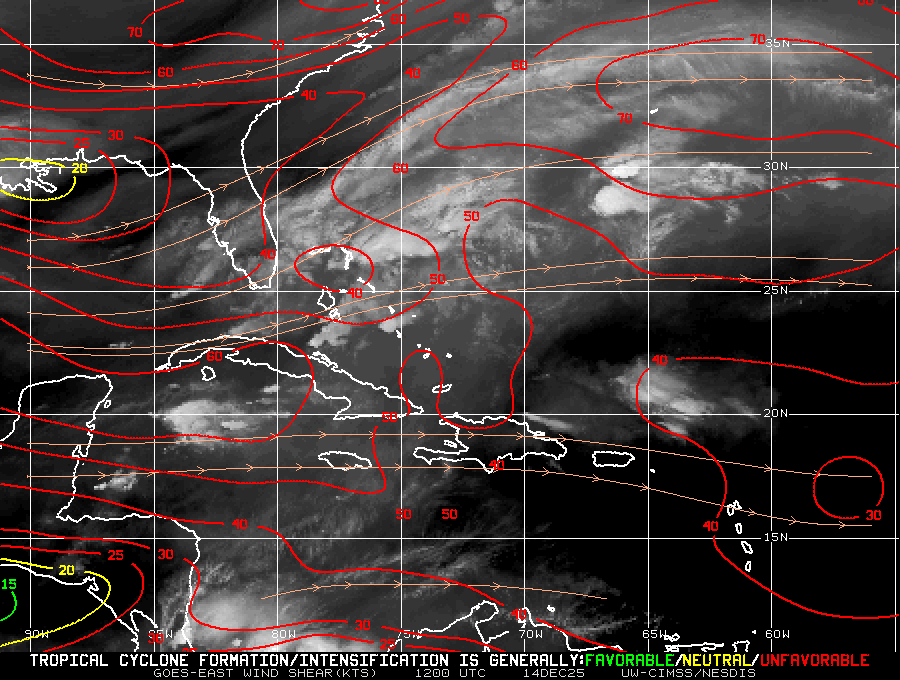
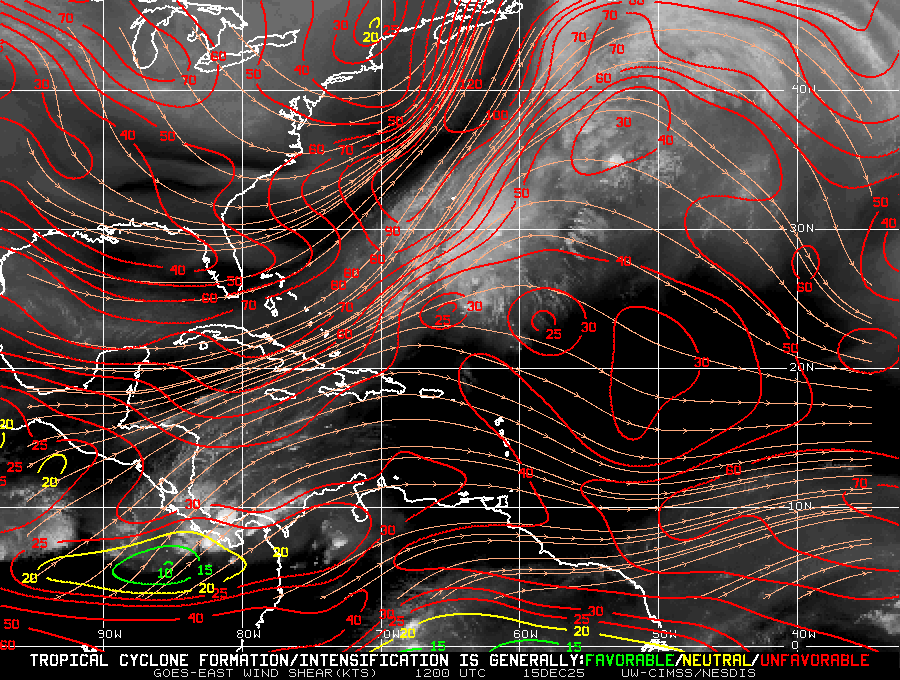
Mid & upper level wind shear (enemy of tropical cyclones) analysis (CIMMS). The red lines indicate strong shear:
Water vapor imagery (dark blue indicates dry air):

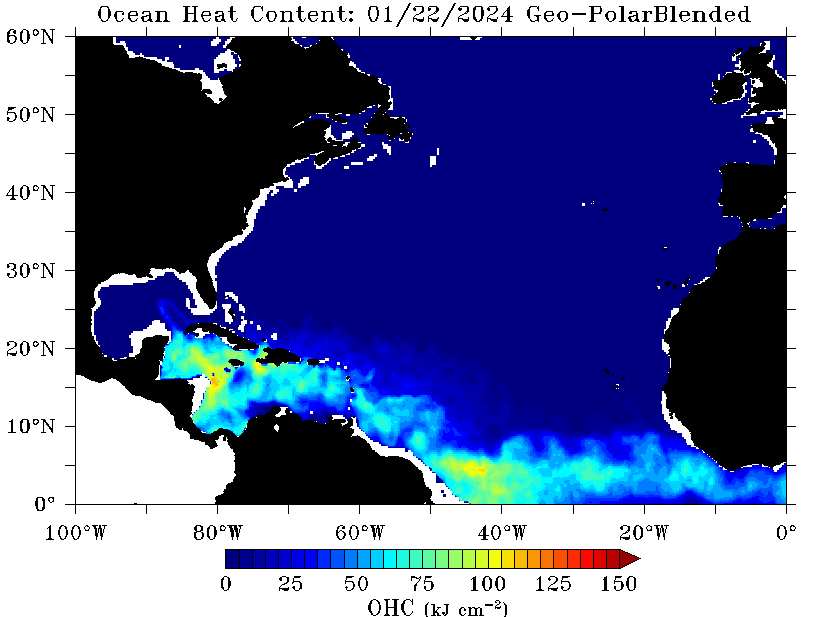
Deep oceanic heat content over the Gulf, Caribbean & deep tropical Atlantic:
Sea surface temp. anomalies:


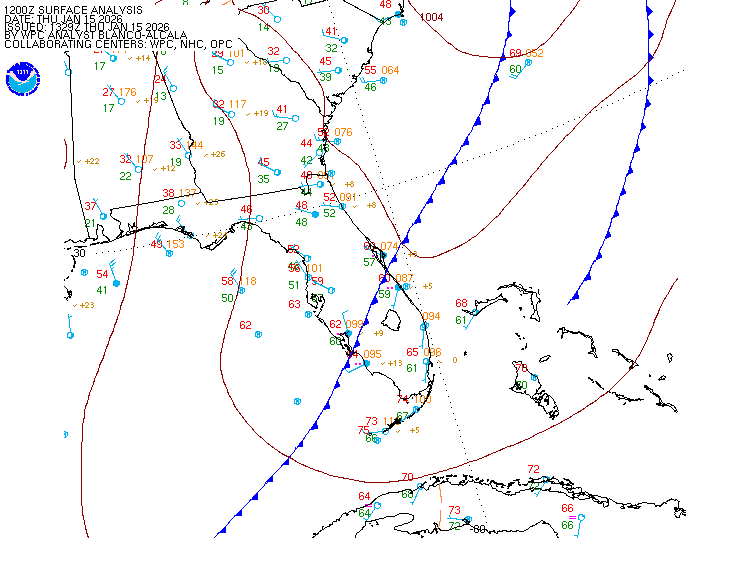
SE U.S. surface map:
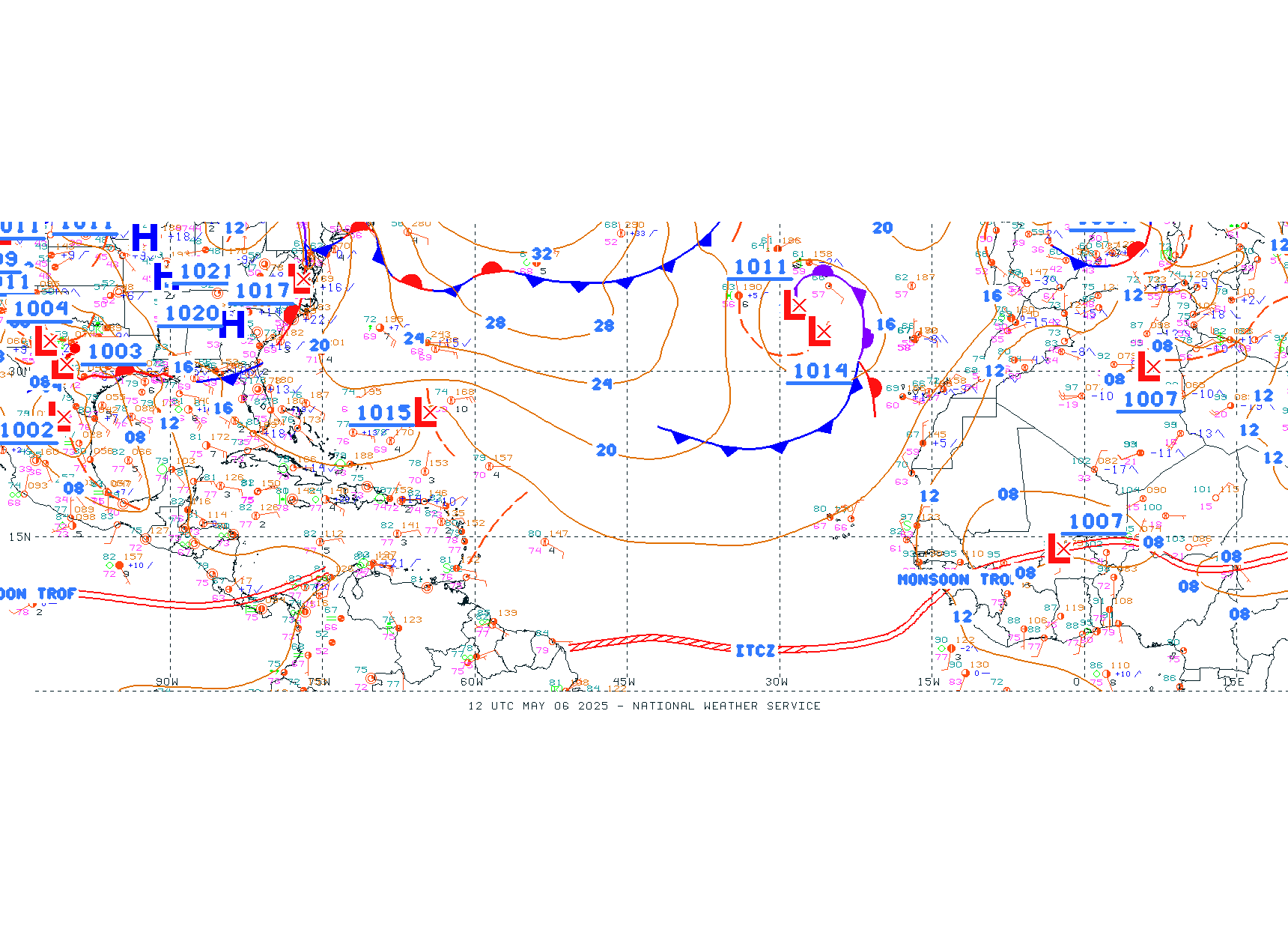
Surface analysis centered on the tropical Atlantic:
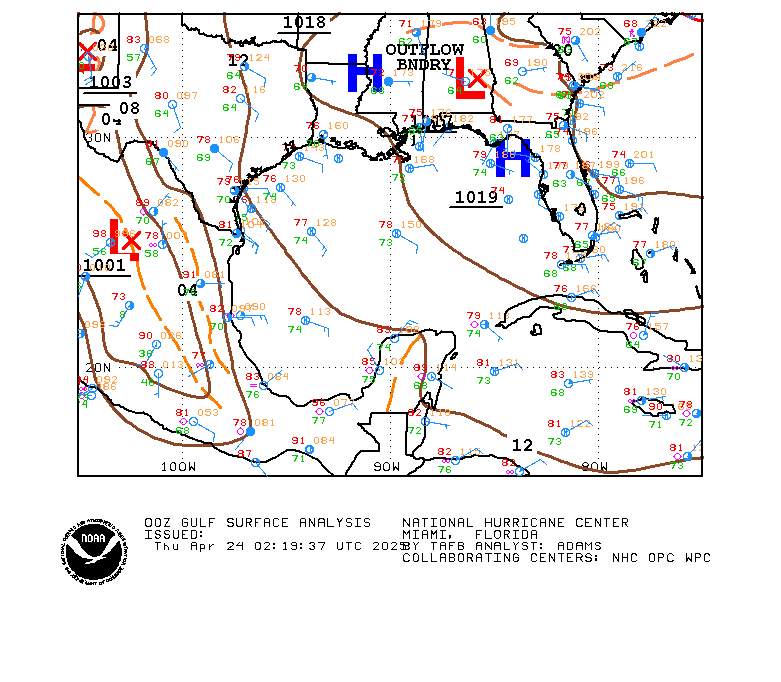
Surface analysis of the Gulf:
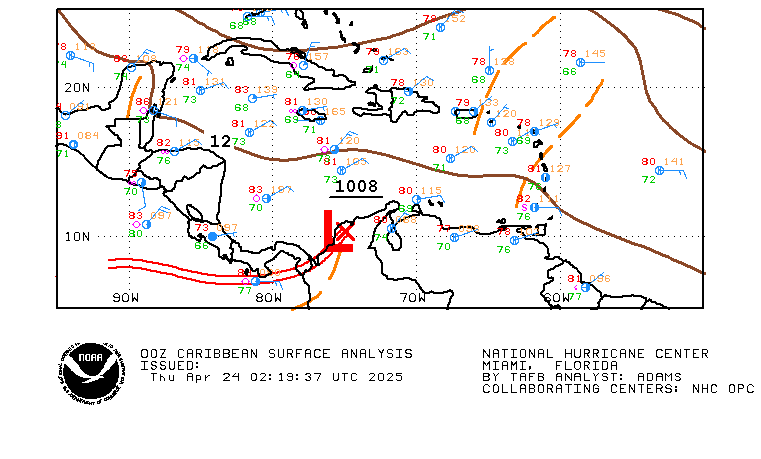
Caribbean:
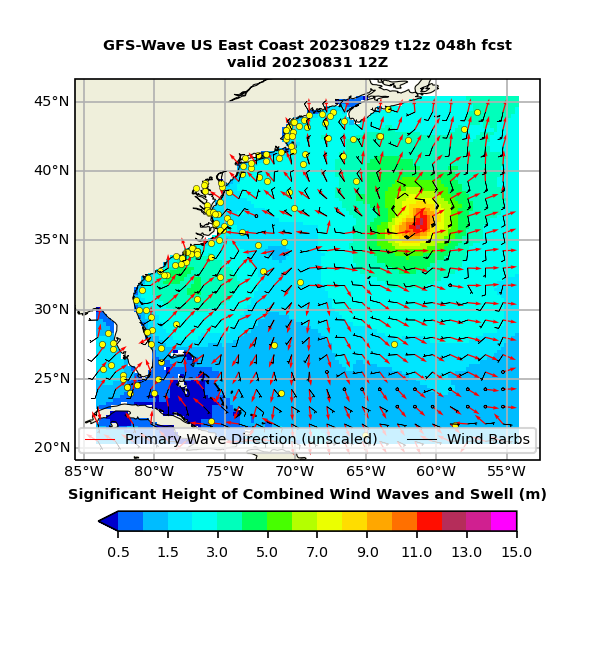
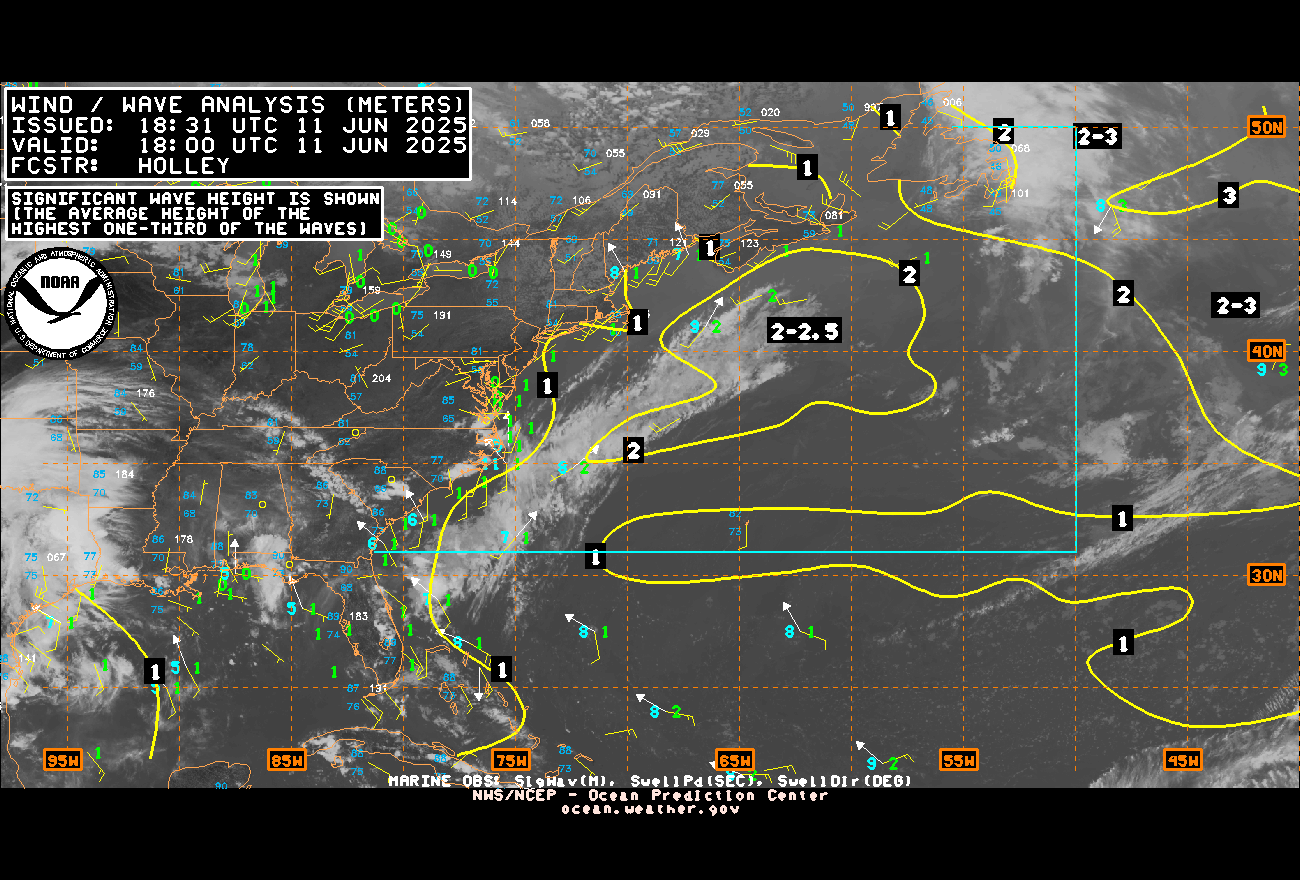
GFS wave forecast at 48 & 72 hours (2 & 3 days):

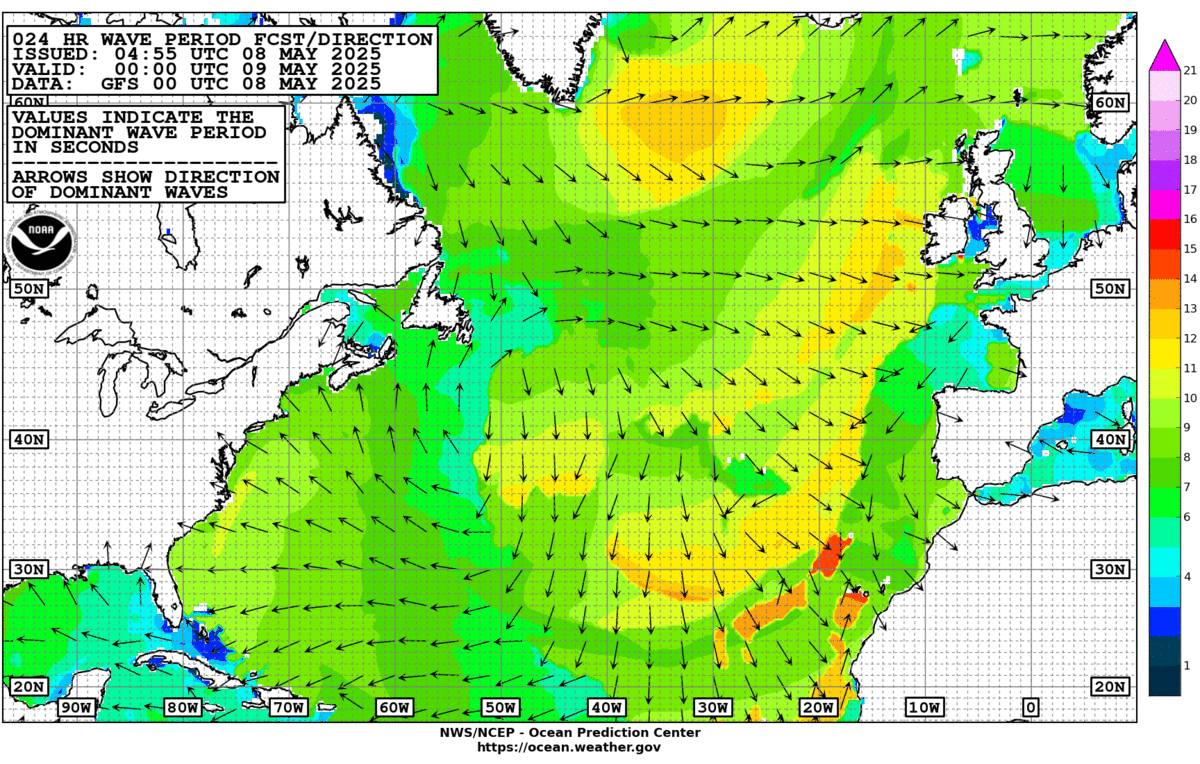
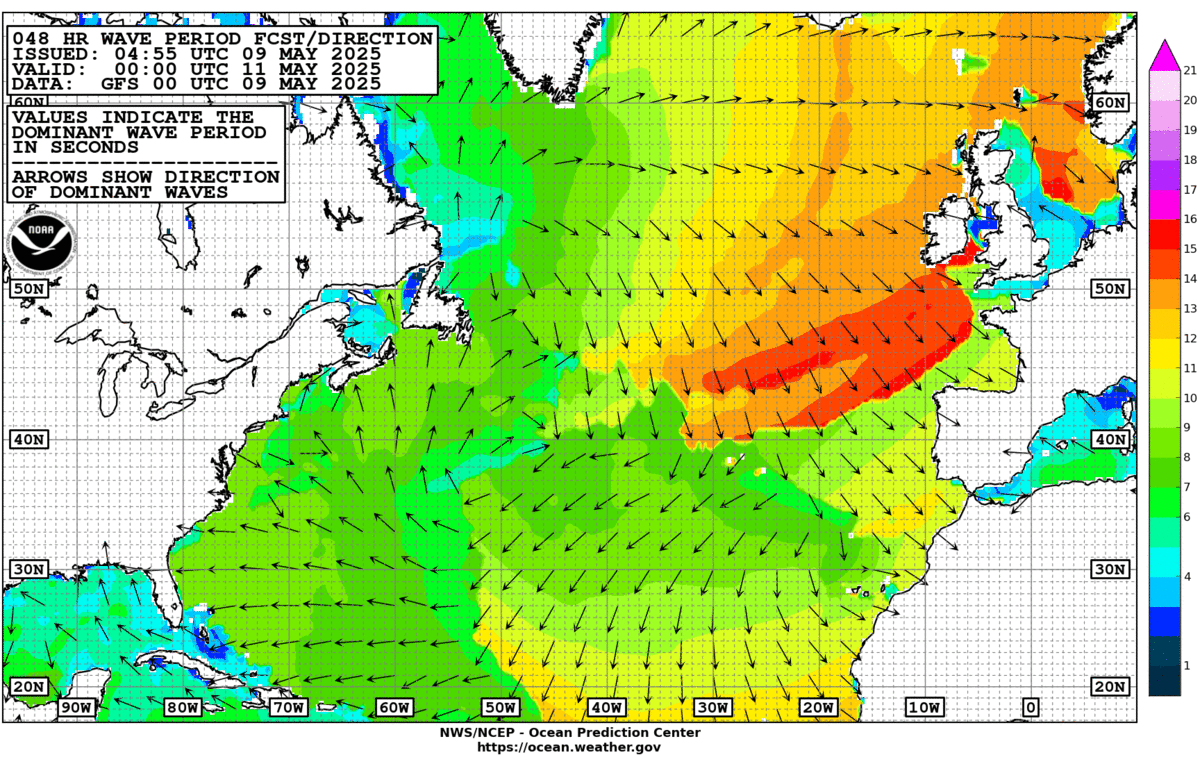
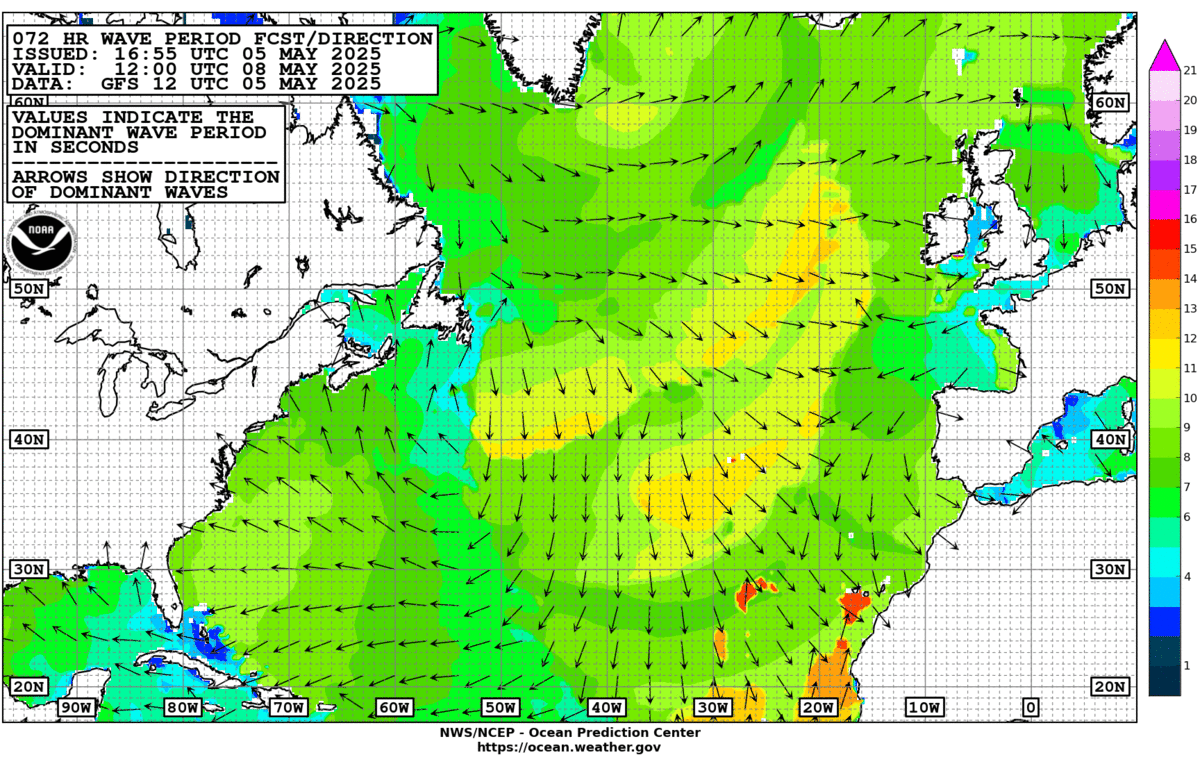
Atlantic Basin wave period forecast for 24, 48 & 72 hours respectively:
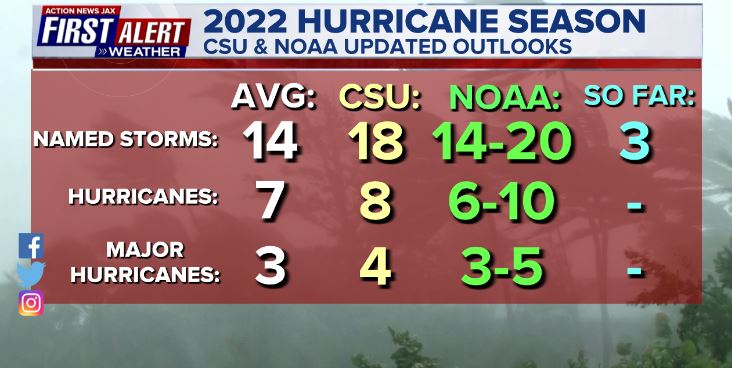
Updated Atlantic seasonal forecast from early Aug. - NOAA & CSU:
The East Pacific:


West Pacific:
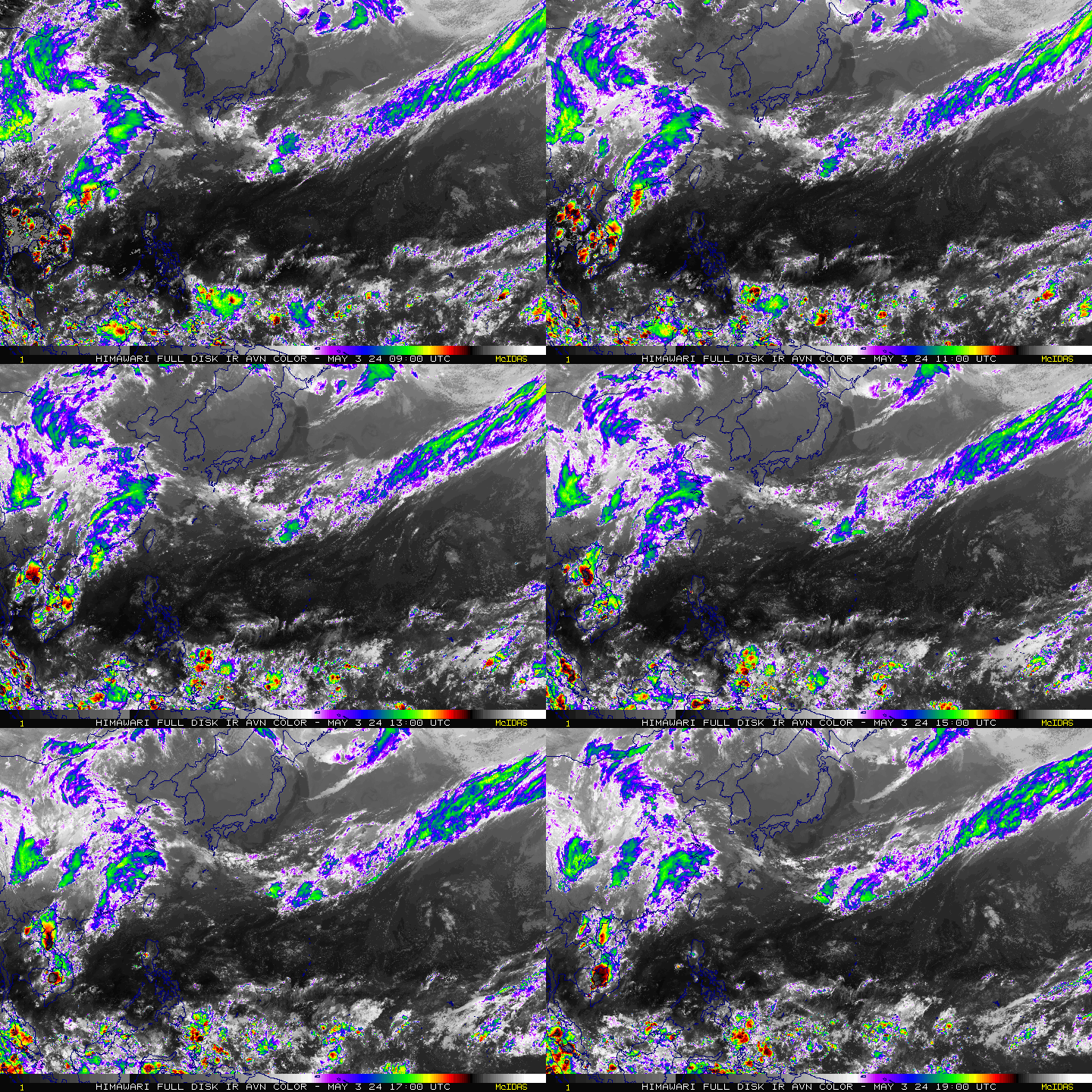
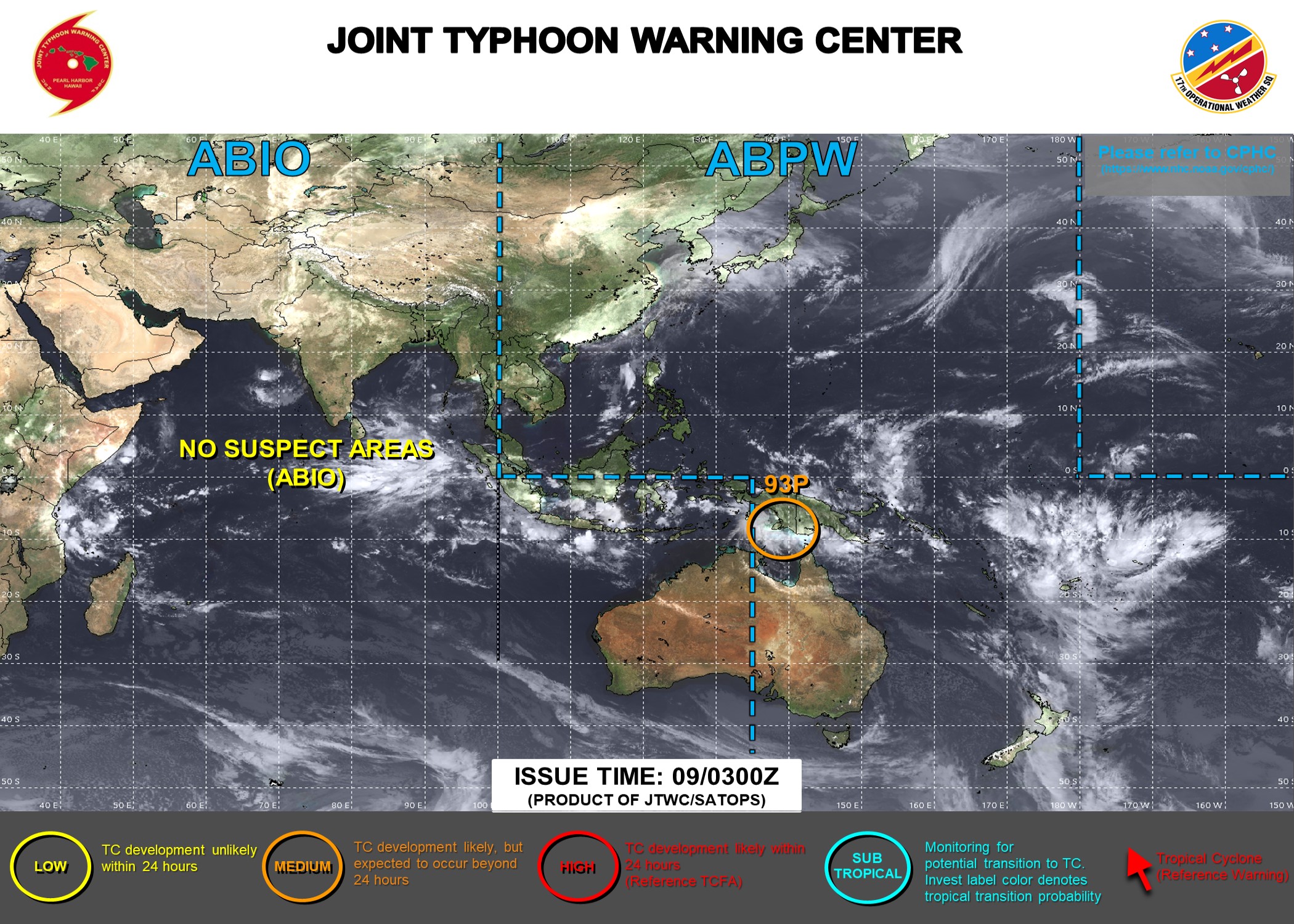
Global tropical activity:
Typhoon “Hinnamnor” (a super typhoon at times) is expected to stall while turning sharply northwards & should stay east of Taiwan & south of most of Japan - except for some of the far southern islands - this week. The typhoon will start to accelerate to the northeast during the early to middle part of next week.
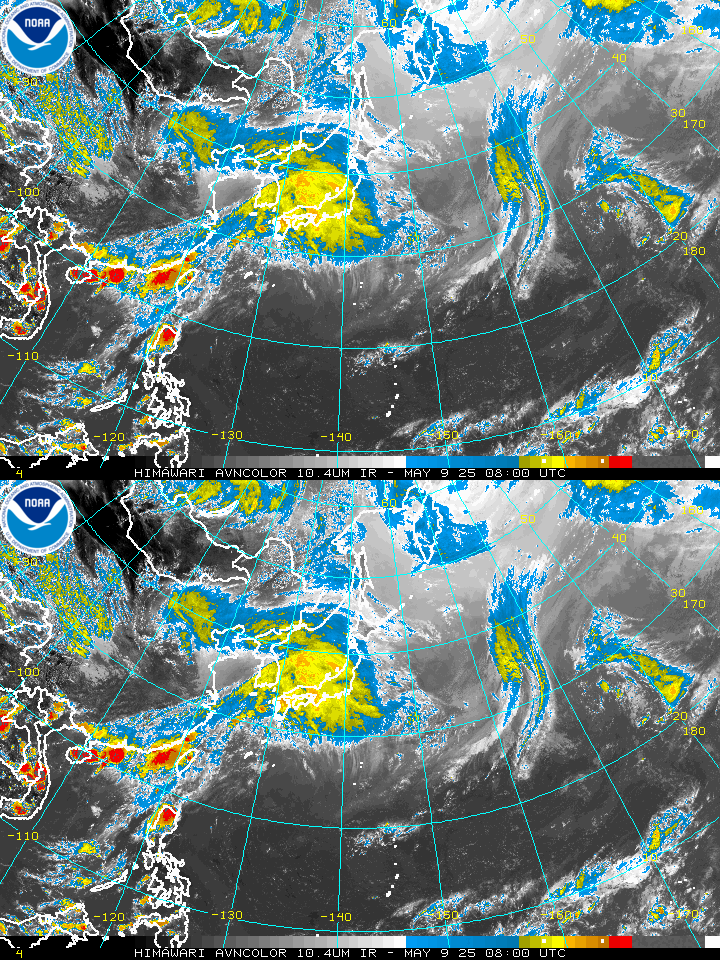

Tropical depression #13 is forecast to stay weak over the W. Pacific in the shadow of much larger & the more intense Hinnamnor:

Cox Media Group


